10 Key Factors That Affect Construction Cost
Explore how site conditions, project decisions, materials, building services and scheduling shape a construction budget.
Construction cost cannot be calculated by multiplying floor area by a single unit rate. Two buildings of the same size can require very different budgets because of ground conditions, structural design, facade, services and programme. A reliable estimate considers design decisions and uncertainty together.
1. Site and ground conditions
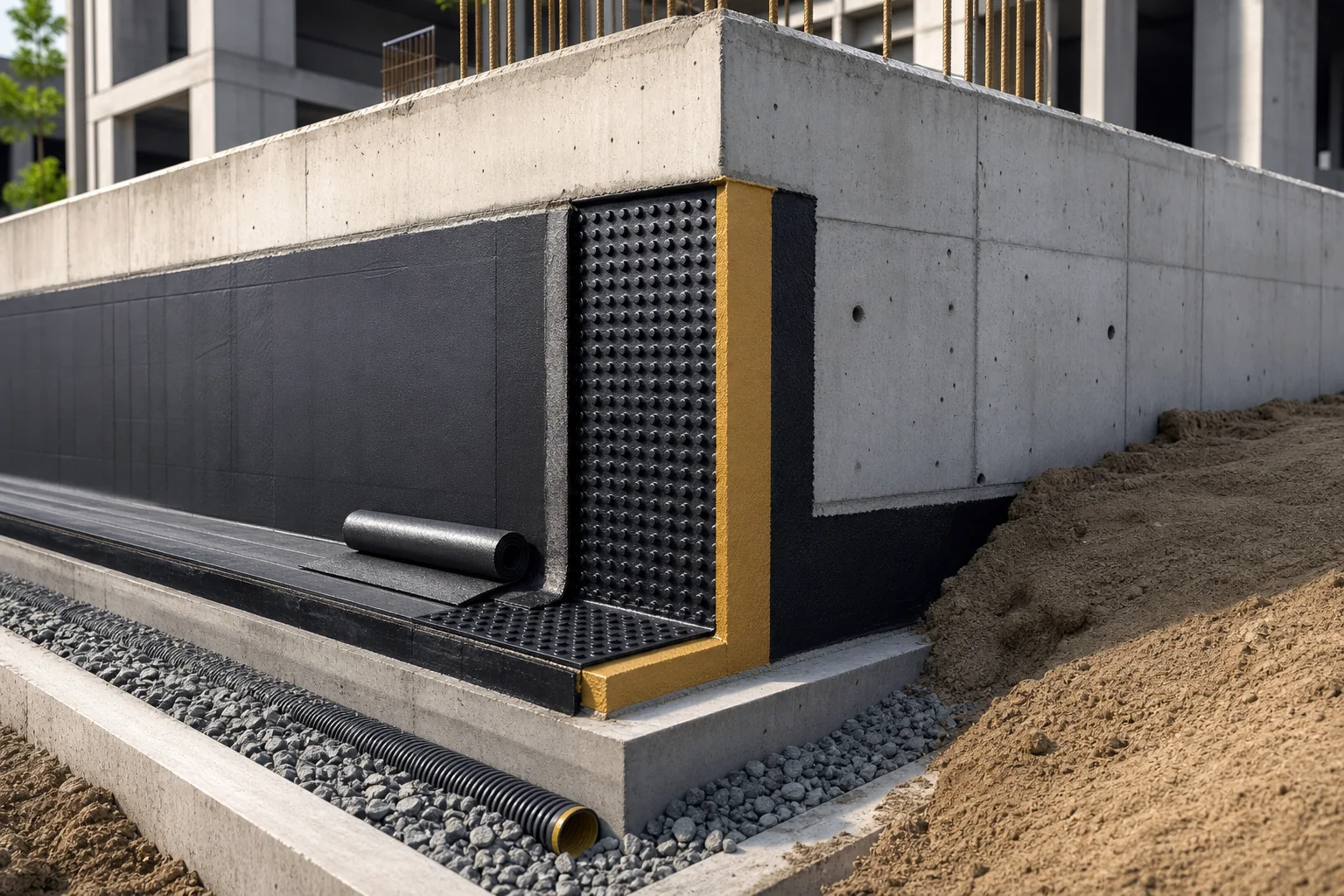
Slope, fill depth, groundwater, excavation and retaining requirements directly affect foundations and construction methods. Early budgets can vary significantly when geotechnical information is incomplete.
2. Intended use
Residential, office, retail and industrial buildings have different spans, building services, fire-safety requirements and finish standards. Use establishes the main cost framework.
3. Architectural form
Regular grids and repeatable floors may simplify construction. Numerous projections, facade planes and special geometries can increase formwork, envelope and labour time.
4. Structural system
Spans, storeys, seismic design, shear-wall layout and foundations affect concrete, reinforcement, formwork and schedule together. Engineering requirements must not be changed solely to reduce cost.
5. Materials and quality
Facade, windows, flooring, sanitaryware and joinery influence both initial cost and future maintenance. The lowest purchase price is not always the lowest life-cycle cost.
6. Mechanical and electrical systems
Heating, cooling, ventilation, fire protection, low-current systems and automation can represent a substantial share of the budget. Early coordination reduces demolition and rework.
7. Energy-performance targets
Insulation, glazing, solar control and efficient equipment may affect initial investment while improving operational energy and comfort.
8. Programme and logistics
Restricted sites, limited storage, traffic constraints and unrealistic completion dates may reduce productivity. Procurement lead times should be integrated with design.
9. Permits and compliance
Parking, shelters, fire safety, accessibility and municipal requirements affect areas and technical systems and should be included during feasibility.
10. Contingency and change control
A controlled allowance is needed for market movement, design revisions and unforeseen site conditions. Cost and time impacts should be approved before changes proceed.
The Toruklar Group approach
Toruklar Group manages budget as the combined result of design, engineering, procurement and programme. Transparent quantities, comparable bids and regular cost tracking support predictable investment decisions.